
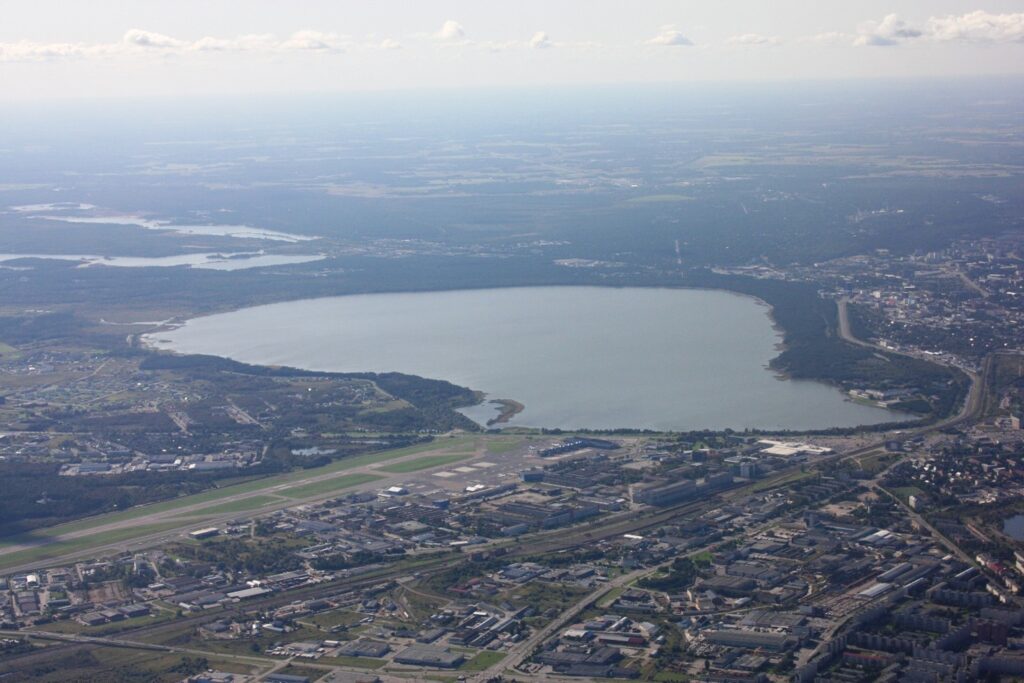
It is not uncommon for individuals and organizations representing Lithuania to express concern for our greatest asset — water — describing it as natural, clean, and so on. And, apparently, residents think similarly — we certainly have large reserves of this resource, unlike our neighbor Estonia, which drinks its lake, located near the airport, several times a year (Ülemiste Lake).
Here are a few of those statements:
- National Progress Plan 2021–2030: to protect and restore the condition of surface and groundwater bodies, reduce pollution from agricultural and wastewater sources, and ensure the long-term sustainability of drinking water resources.
- National Water Strategy 2022–2027: achieve and maintain good status of rivers, lakes, and groundwater; ensure a safe and high-quality supply of drinking water; reduce pollution, particularly diffuse agricultural pollution; restore the natural state of rivers (removal of dams, renaturalization).
- River Basin Management Plans for 2022–2027: ensuring the good ecological and chemical status of all water bodies, reducing land-based pollution, and protecting drinking water sources (especially groundwater).
The primary document setting forth the rights and obligations of the parties is the Wastewater Management Regulations (D1-236 On the Approval of the Wastewater Management Regulations). In the spirit of this law, we are fighting against phthalates, microplastics, and heavy metals. It should be noted that it is written in a difficult and convoluted manner, but that is often the case with legislation, as drafting a simple, clear, and easily readable legal act requires a great deal of effort and time, as well as the necessary expertise and resources—but that is how it is.
As regulatory agencies stepped up their efforts and businesses accidentally discovered previously unnoticed sewage discharge pipes one morning, we began to monitor more closely what actually ends up in the sewage system. Sometimes we’re surprised when companies with a pretty receptionist, great coffee, and photos of government officials have more than just a nice reception area. It seems they only have water softening, but wait—after all, the amount of salt (NaCl) used to soften the water is the same amount discharged, and in the case of larger-scale production, that’s almost a “truckload.” On the other hand, we’ve begun to realize that we’re not just discharging what’s in the composition of the materials used, but also what’s produced during the technological process—and what about how two active chemicals react when they meet in the wastewater, and what new substance is “born”? For example:

were:
NH3 – ammonia and domestic wastewater (urine, protein breakdown)
HOCl/Cl2 -disinfection, CIP, pools
NH2Cl – chloramines
It’s good that businesses are developing new technologies and often implementing untested and innovative solutions—that’s their mission. It’s also good that regulatory agencies oversee this, but it’s absolutely unacceptable that requirements haven’t changed in decades and remain stuck somewhere in the development process. For example, let’s find a provision in the regulation on how to include a new substance discharged into wastewater that the business identified while conducting wastewater tests, or to establish a standard for a substance mentioned in the regulation but for which no numerical values are provided.

A “first-level” manager would wisely say that it’s up to the network operator to set the standards. Great, but how? Neither the Ministry of the Environment nor the network operator knows how, so the answer is “it’s not possible”—and then what? It’s simple: business moves on, but what’s not allowed isn’t released, and no one has to worry about it.
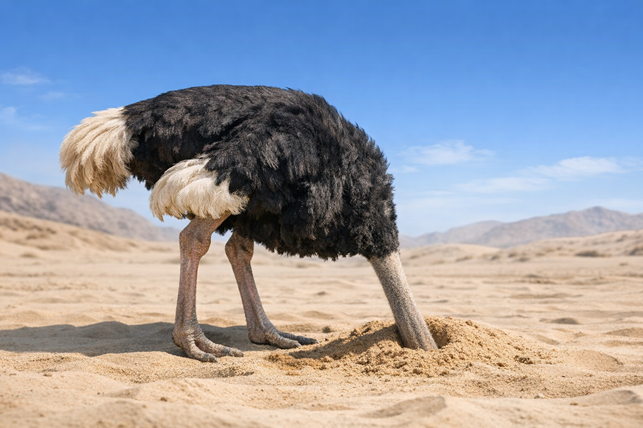
Perhaps it takes time to wake up, to want to see things as they are, to ask and hear the uncomfortable questions, and until then, we believe that the declaration described above rightly irritates some people and breeds mistrust, because we all understand that we are deceiving ourselves… Do we know the actual levels of pollution from specific substances? Do we care, or should we care?
Žaidžiame Aplinkosaugą Team